
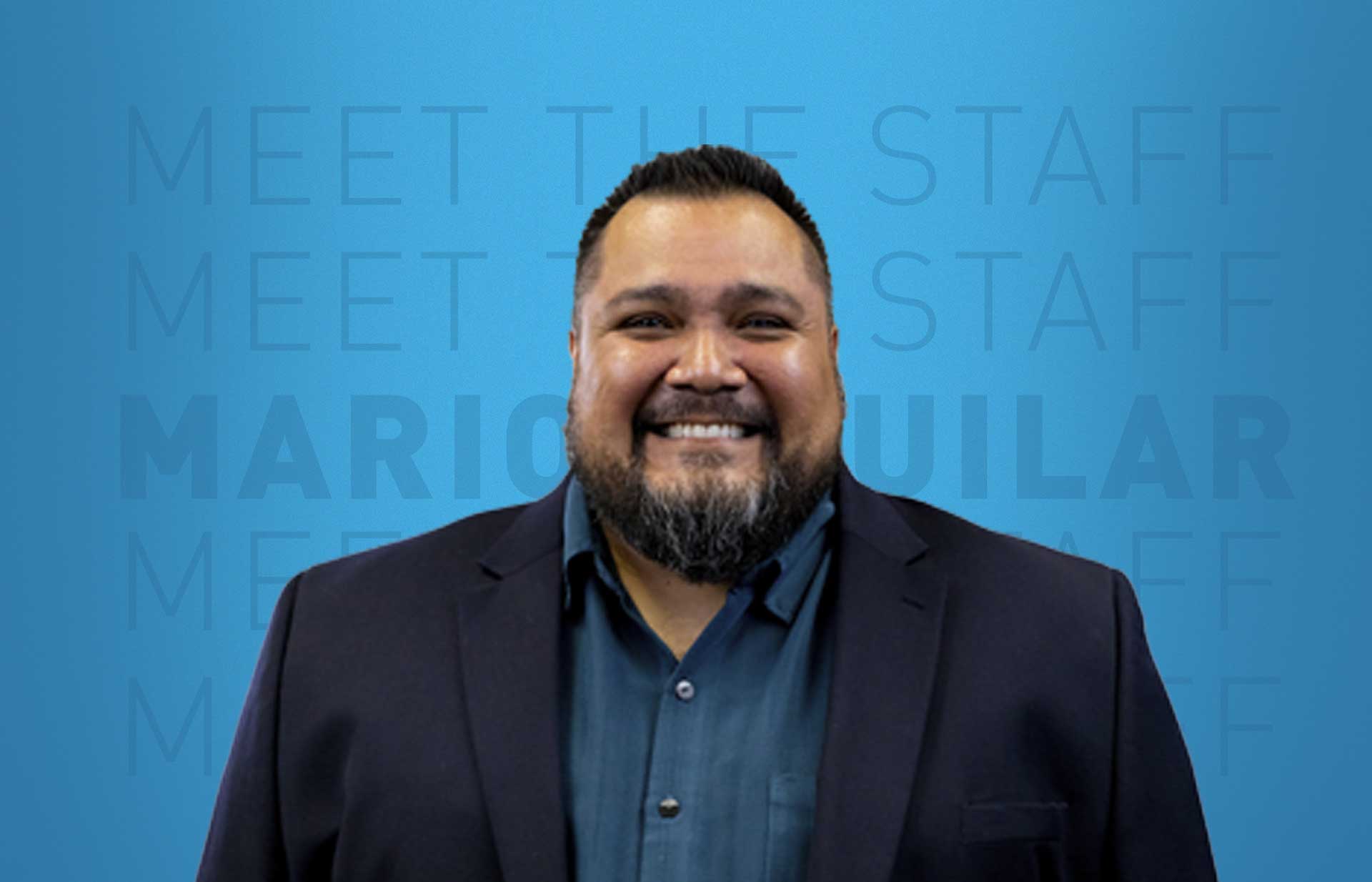
Mario Aguilar’s faith journey started with skepticism, not belief, and a plan to prove Jesus wasn’t who Christians claimed He was. “I was a deist,” Mario shared. “I believed there was a God, but it didn’t make any sense to me that that God could be a man.”
This early knowledge of God was limited to His power. Mario had no knowledge of God’s character. “I knew He was powerful,” Mario shared, “but I didn’t know He was good. I didn’t know He was just and fair and merciful.”
As a child, Mario was exposed to various religious influences, but none focused on the gospel. Born and raised in El Salvador, he and his brother lived with their grandparents after their parents migrated to the United States during the war in 1986. When the family reunited in 1998—after his parents came to faith—Mario experienced life in a Christ-centered home for the first time.
“For the very first time,” Mario recalled, “I actually saw what it meant to be under a marriage that honors Christ and lives under obedience to the Word of God.”
Although his parents’ faithfulness deeply influenced him, it wasn’t enough to remove his doubts about Jesus’ divinity. Moving to the US gave Mario access to more resources than he had in El Salvador, and he believed he could find evidence to support his theory that Jesus was not God.
Eventually, Mario’s research led him to the Old Testament. It was in reading Isaiah that he came across a passage that is usually shared around Christmas time.
For to us a child is born,
to us a son is given;
and the government shall be upon his shoulder,
and his name shall be called
Wonderful Counselor, Mighty God,
Everlasting Father, Prince of Peace.Isaiah 9:6
Mario knew that if the Bible was truly God’s Word, then this passage left him with a choice: either Jesus was who He claimed to be, or Mario’s assumptions were wrong. That started a journey of faith for Mario. He went on a youth retreat and fully surrendered his life to Christ.
Mario’s decision to follow Christ didn’t just change what he believed; it reshaped the course of his life. As his faith took root, he increasingly felt that his life was meant to serve the church. During that season, he met his wife, started serving with her in ministry, and found his calling to leadership and mercy.
When the opportunity to work at Children’s Hunger Fund arose, Mario weighed his options. On one hand, it meant accepting a pay cut and giving up some time, but on the other hand, he had encouragement from the pastor of the church he helped start, and it was a full-time ministry. Additionally, several good friends told him, “Don’t do it.”
Ultimately, what convinced him to accept the role of Coordinator for Latin America was CHF’s mission and how much the team pursued Christ, loved the church, and cared for the people they were called to serve. What started as a step of obedience became a long season of stewardship.
Today, Mario serves as the Executive Director of Ministry Development, providing leadership and direction for both domestic and international ministry at Children’s Hunger Fund. For Mario, a typical day is often spent in meetings, but he doesn’t see this as a bad thing.
“I truly believe,” Mario shared, “that, because we are a relational organization and because we work in multiple different regions, meetings are essential. Particularly face-to-face meetings.”
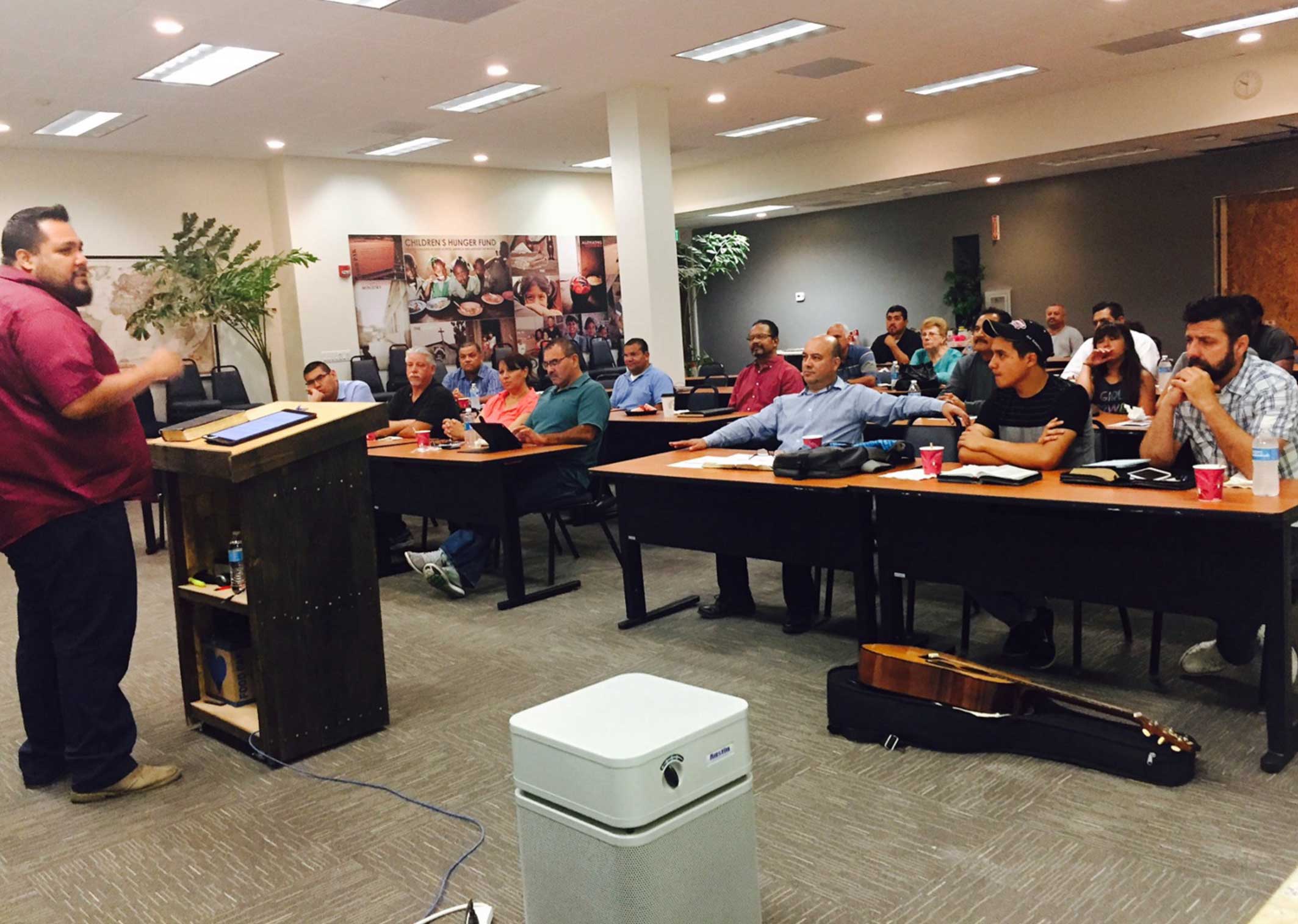
Also scattered throughout Mario’s day are periods dedicated to deep work. These intervals are reserved for reviewing or approving documentation and for addressing feedback from both domestic and international partners.
What Mario loves most about his work isn’t linked to a specific task; it’s the opportunity to create what doesn’t yet exist, always in service of the gospel and the local church. He enjoys innovation and problem-solving, especially when helping ministries turn ideas into reality. Whether it’s developing new processes, refining how partnerships are launched, or shaping long-term ministry strategy, Mario finds joy in the work that occurs before the results are visible.
But beneath the strategy and systems is something even more vital to Mario: people. Mario often says that what keeps him at CHF is the combination of the mission, the values, and the relationships. Over the years, co-workers have become like family and have helped shape a clear philosophy of biblical mercy ministry.
At the core of this philosophy of ministry is the prioritization of the gospel. “If we prioritize the gospel,” he shared, “then everything else is going to fall in line. My relationships with my co-workers are ruled by the gospel, not by human resources.”
This value placed on the gospel has also been a major reason why Mario has remained with CHF for nearly 15 years. It’s what makes CHF more than simply a place that distributes food. He’s convinced that CHF could distribute food and build facilities without ministry development, but it could not do ministry without it.
“What we do and the means through which we do it are centered around both gospel proclamation and the local church,” Mario shared. “Building relationships with the local church and helping them understand how to do mercy ministry from a biblical perspective is exciting to me and to the entire department.”
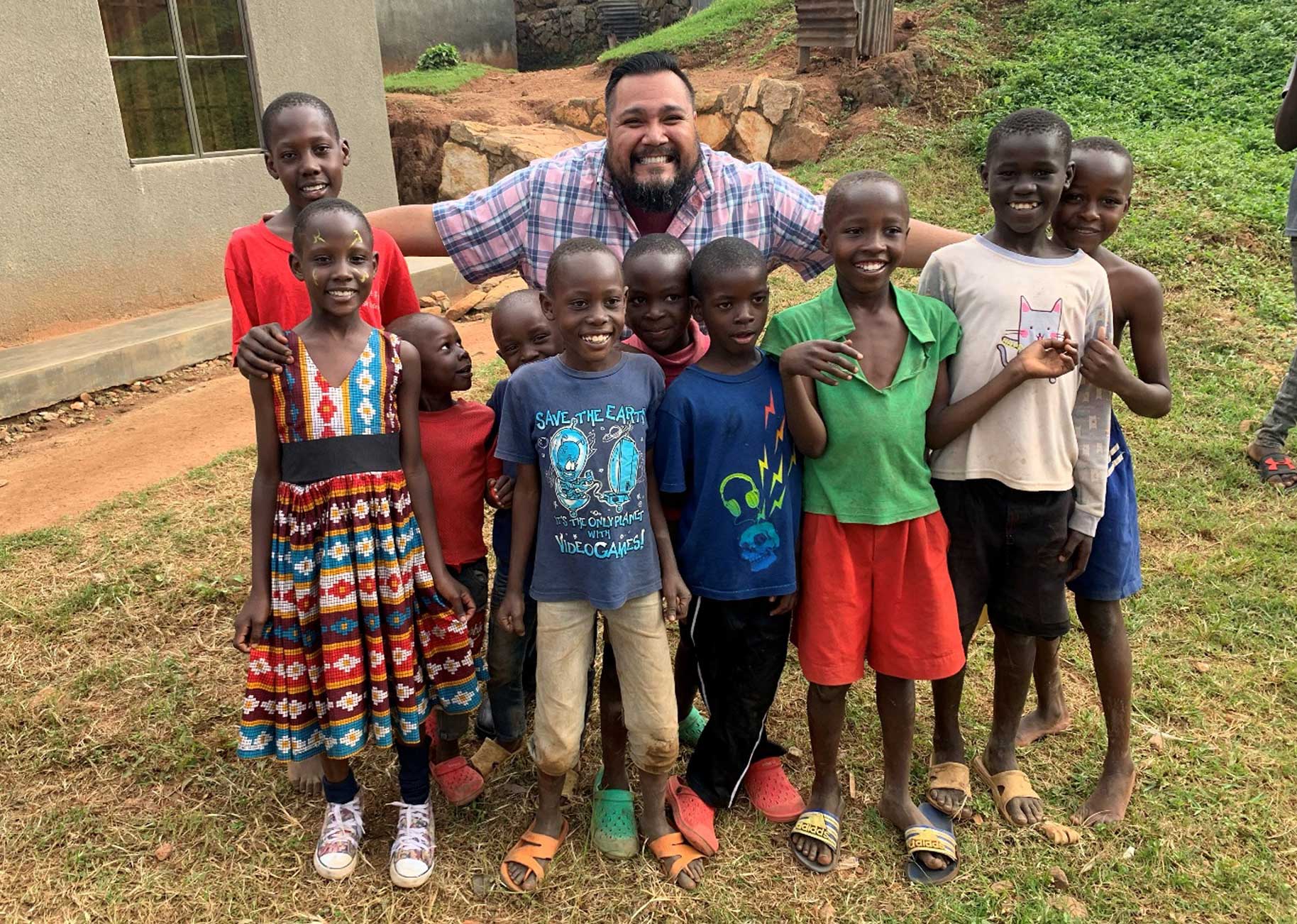
Mario is willing to endure whatever tension or pressure that comes his way in his role at CHF because he knows that Christ is worthy. He is able to keep things in perspective, knowing the goal is to share the gospel. This conviction has only deepened as CHF has grown.
Over the years, Mario has witnessed significant changes in the CHF ministry, serving in roles that have expanded alongside the organization, from coordinating ministry in Latin America to overseeing Ministry Development both internationally and domestically. He has a front-row seat to CHF’s growth in scale, systems, and reach, but what has stood out most to him is what hasn’t changed.
“It’s grown,” Mario shared, “but the sense of family is still there.”
For him, that continuity—gospel-centered relationships, a commitment to the local church, and ministry rooted in care over numbers—is what has made the growth not only sustainable but also faithful.
If Mario could give one piece of advice to someone thinking about working at Children’s Hunger Fund, it would be this: remember that this is a ministry. While CHF operates with the structure and professionalism of an organization, its foundation is something deeper: a dedication to the gospel and to people. Recognizing this shifts how you handle every responsibility, challenge, and relationship.
For Mario, ministry isn’t just a job title or a department. It’s woven into his home, his church, and his work at CHF. What began as an attempt to disprove Jesus has become a life dedicated to making Him known—through the local church, through acts of mercy, and through ministry carried out with conviction.
Want to hear more from Mario?
In this short video interview, Mario shares additional insights into his role at Children’s Hunger Fund, his heart for ministry, and how team dynamics shape how the work is lived out each day.
Join the Children’s Hunger Fund team!