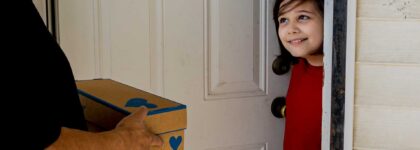

Since 2008, Children’s Hunger Fund has partnered with local churches throughout Nepal, a country often considered among the poorest in the world. Nepal’s communities face serious challenges, including widespread poverty and frequent devastation caused by earthquakes. To address these needs, Children’s Hunger Fund provides local churches with food and essential aid, enabling them to support the most vulnerable families in their areas.
The day Miora left her family, she carried only a small bag and a heavy heart. Sent away because there wasn’t enough food, she wondered if she would ever return home. Her mother, pregnant with her eighth child at the time, said she would send for her if things changed.
Miora didn’t have much hope for that. She was already the second child to be sent away, and her brother Tantely would be next.
As she headed to her new home, she could already feel isolation and uncertainty taking hold of her. Would she ever see her family again? Would the new family be kind to her?
In rural Madagascar, where Miora lives, it is not uncommon for families facing extreme poverty to send their children to work in other homes. Girls like Miora are often tasked as domestic helpers, helping families with chores or childcare, while boys like Tantely are more likely to be sent to work in agriculture.
For many struggling families, sending a child away to work is a desperate measure to increase their household income. Sadly, child labor leaves millions of children worldwide vulnerable to trafficking and other abuse.
Fortunately for Miora, the church learned about her family’s situation and stepped in to help. Their home is in a remote area—not even large enough to be called a village, as it consists of only two families—and is a thirty-minute walk from the city where the church is located.
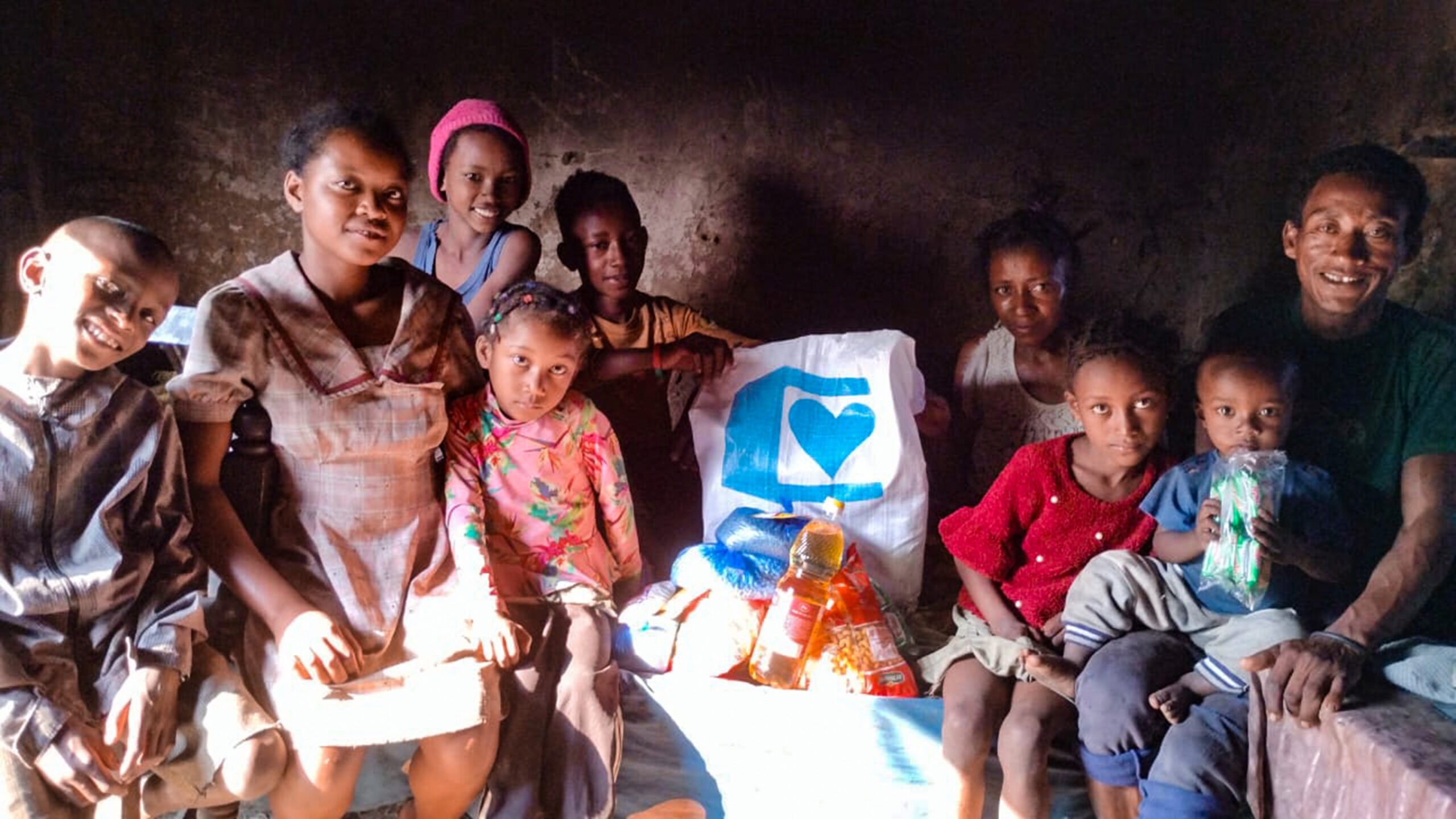
Armed with Food Paks provided by Children’s Hunger Fund and a desire to connect and share the hope of the gospel, Sahaza Ravao of Ambohimanja Biblical Baptist Church began making weekly treks out to this small community.
After a while, the message came to the home where Miora was living. Her parents were calling her home.
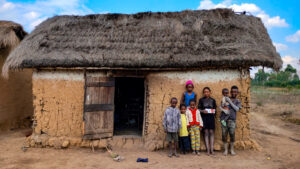
Carrying the same small bag she took with her when she left, she returned home, likely wondering what had changed. As she approached her house, nothing seemed different; it was still the same modest single-room structure made from natural materials. The clay walls still showed cracks and signs of aging.
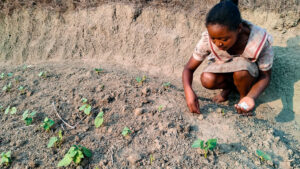
Over the following months, life fell into a new normal for Miora and Tantely, who had also returned home. Most days, Miora’s four younger siblings went to school, something they didn’t do before. When she is not needed to help care for them, Miora enjoys helping her father with the farming.
There is something different about her parents now; they don’t argue as much as they used to. Her siblings are also more helpful around the house.
There’s also the woman from the church who visits each week with Food Paks, Sahaza. She brings food, which Miora knows her family needs, but there’s something special about her. She spends extra time with Miora and her siblings, getting to know them and sharing the story of Jesus with them.
They have all started attending Sahaza’s church. Miora’s father says he feels as if he has awakened from his spiritual slumber. Miora understands what he means because she feels the same way. In fact, Miora, her parents, and three of her siblings have all made declarations of faith. Miora prays that Tantely will be next. He already enjoys memorizing Bible verses at church and has shown interest in learning how to pray.
Today, Miora’s home remains modest, and her family still faces difficulties, but now there is a renewed sense of hope and strength. The weekly visits from Sahaza and other church members have provided more than just food; they have brought faith, encouragement, and a sense of community.
Inspired by the love and kindness she has received from the church, Miora now dreams of entering ministry herself, bringing compassion and the message of Salvation to others in her community and beyond. Her journey, once marked by separation and uncertainty, is now guided by purpose and possibility.
The recipients’ names have been changed to protect their privacy.