
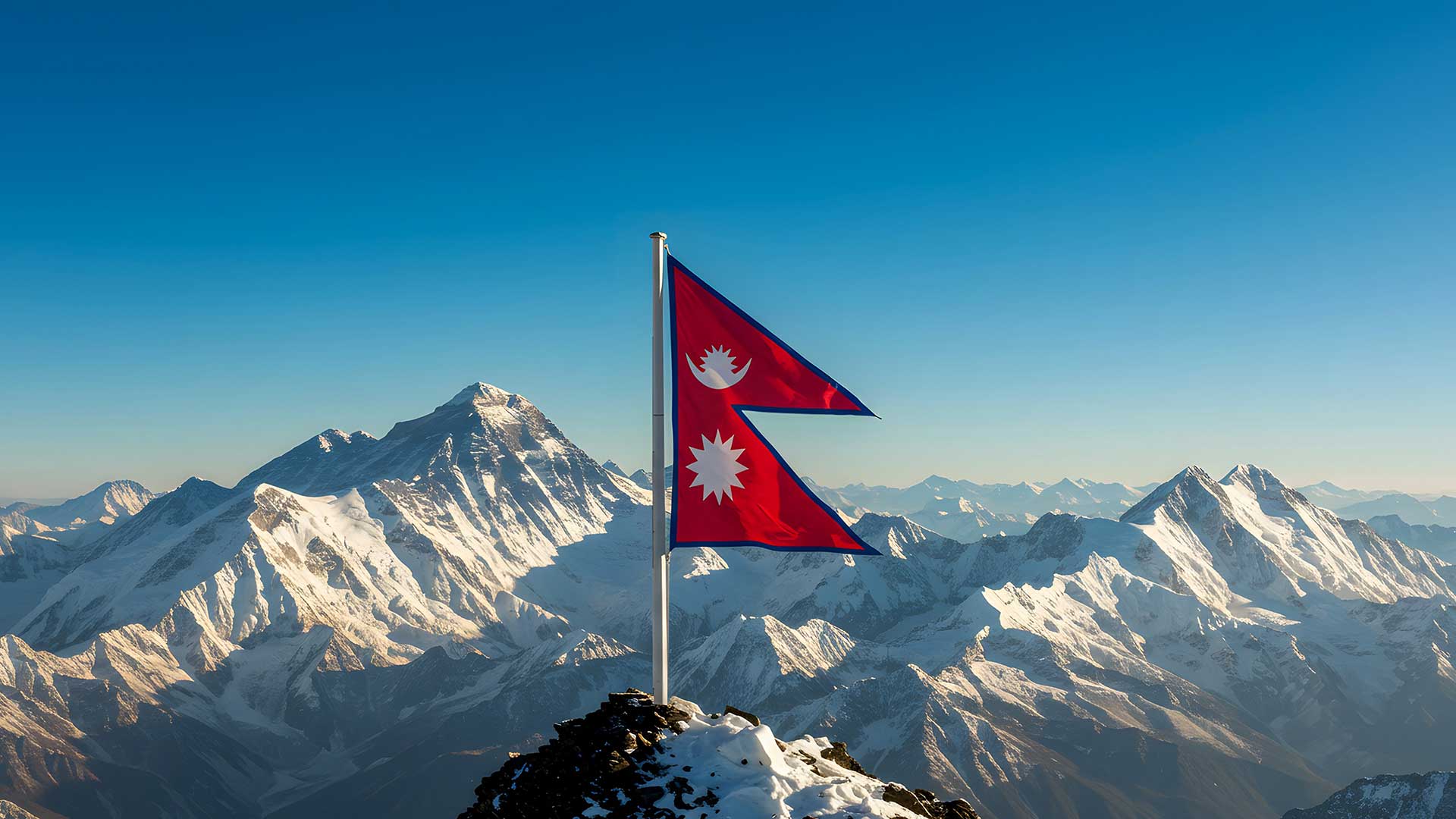
Nestled in South Asia and only a little bigger than the state of Florida, the beautiful country of Nepal is full of diversity in every way! This unique nation may be smaller than its neighbors, but it has so much to offer. Here are some facts about this tiny but mighty nation you may not know.
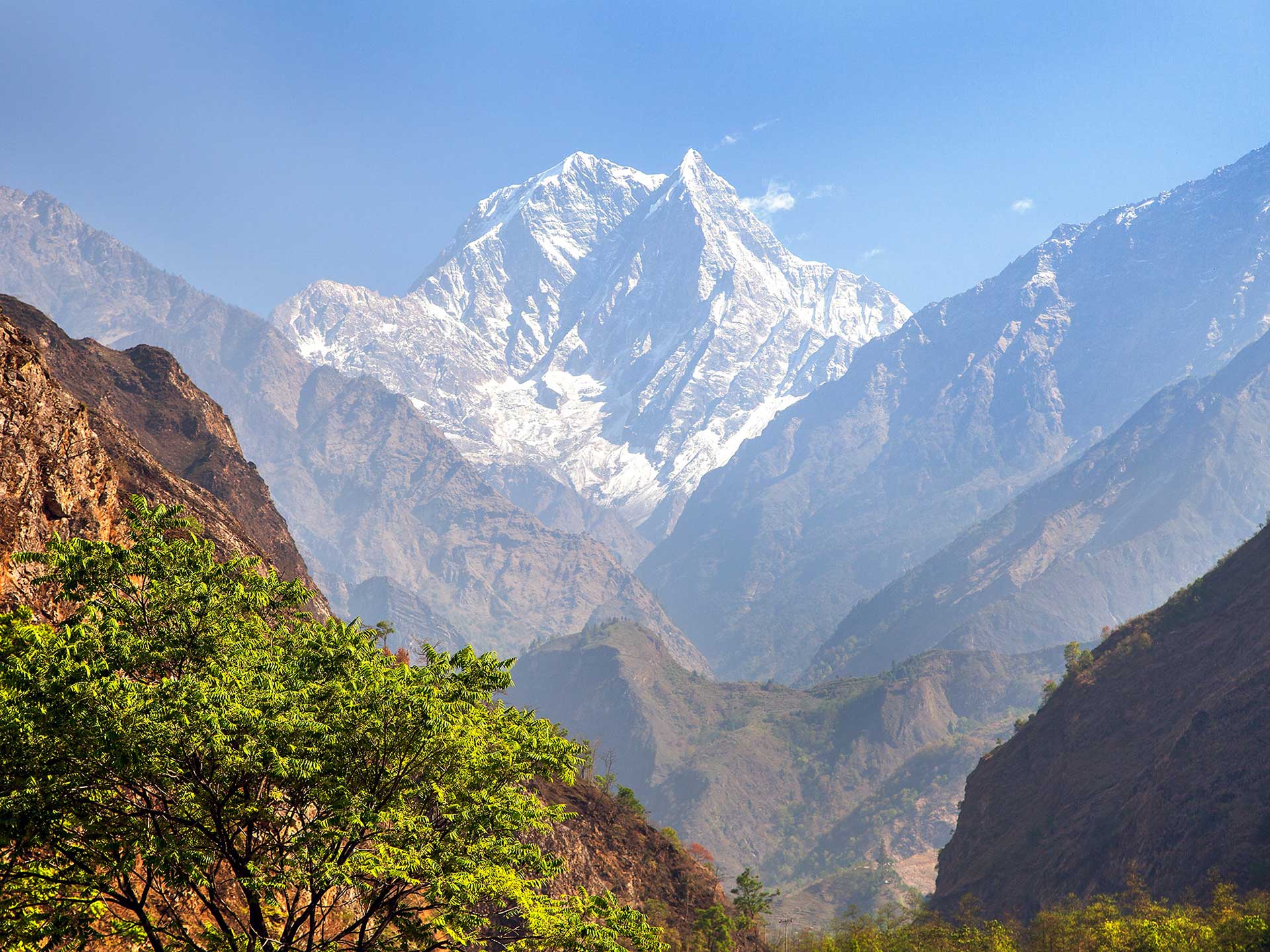 Kali Gandaki Canyon
- Nepal has both incredibly high peaks and insanely deep canyons. With much of the Himalayan range stretching across the country, Nepal is often called “the Home of the Himalayas”. Eight of the ten tallest mountains in the world are located within Nepal’s borders and among these impressive peaks is none other than Mount Everest, the highest mountain on Earth! Not only does this country reach incredible heights, but it also extends to impressive depths. The Kali Gandaki Canyon in Nepal is 4,375 meters deep, making it the second-deepest canyon in the world. Talk about extreme opposites!
- The land is always on the move! Nepal sits atop two major tectonic plates that continue to collide. The Indian continent has been migrating north for generations. When the Indian plate met the Eurasian plate, the land had nowhere to go but up, forming the Himalayas. As these plates continue to move, the mountains—including Mount Everest—are still growing by 2 to 4 millimeters per year. Earthquakes are common in Nepal, and because of its unique location on Earth, the country’s topography is always changing.
- Nepal is home to the biggest sport in the world. Ever heard of elephant polo? Nepal is the birthplace of this larger-than-life sport. For a time, elephant polo was an Olympic sport in Nepal. The players ride on the elephants’ backs and guide them by applying varying amounts of pressure to the elephants’ ears. At first, this giant game of polo was played with soccer balls, but the elephants had a little too much fun popping the balls, so a switch was made to a standard polo ball for competitive matches.
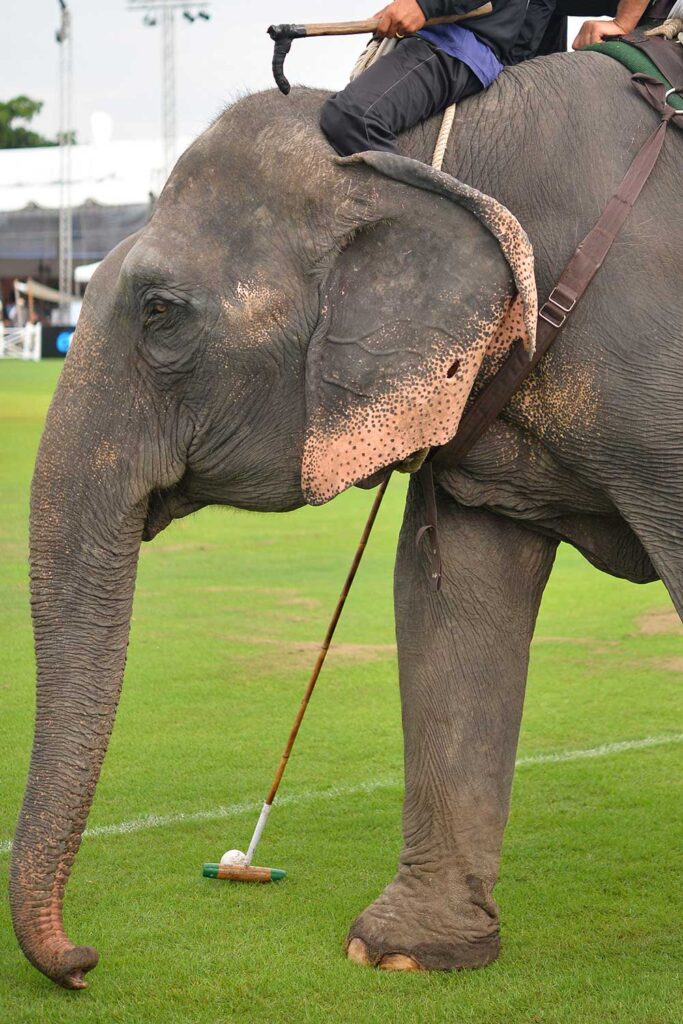

For a time, elephant polo was an Olympic sport in Nepal. - Nepal does not have an independence day! Unlike the United States and many other nations, Nepal does not have a day dedicated to celebrating independence, as it is one of the very few nations that has remained independent throughout its history. Nepal was never a colony or subject to foreign rule. Because of its long history as a sovereign nation, Nepal is recognized as one of the oldest nations in South Asia.
- Nepal is the only nation in the world with a triangular flag. Nepal’s flag design is more than 2,000 years old and is the only national flag that is not a rectangle. The unique two-triangle flag holds special meaning for Nepal. The upper triangle depicts the moon, and the lower one depicts the sun. The design signifies that the nation will endure as long as the stars remain in the sky.
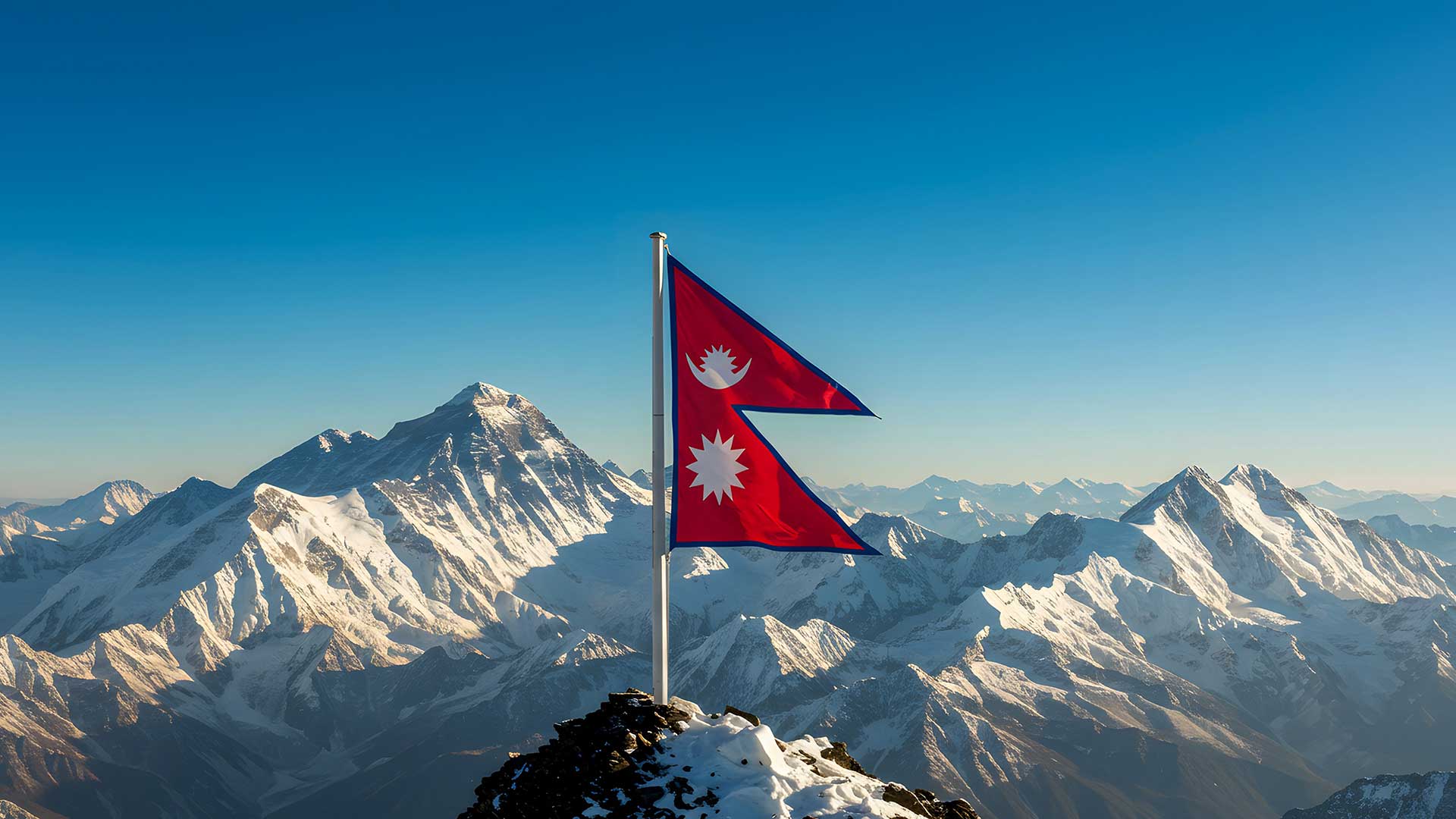
 Nepal is the only nation in the world with a triangular flag.
 - Nepal is known as the land of harmony. The population of Nepal remains culturally diverse, with more than 80 ethnic groups and over 123 spoken languages. Despite many stark differences, those who call Nepal home celebrate their own cultures while showing respect for the many others around them. This unique aspect of daily life makes Nepal stand out as a nation of harmony and peace.
- Nepal is a great place to go bird watching. Nepal is home to almost 900 bird species. The birds in Nepal make up 8% of the world’s total avian population. And it’s not only birds that love Nepal… butterflies do too! Over 600 butterfly species can be found within the borders of this small country.
- Where’s the beef? Do you love a good burger? Well, if you visit Nepal, you will be out of luck! The killing of cows is entirely prohibited in Nepal because cows are considered sacred and are the national animal. Instead of beef, meat dishes in Nepal are made with other protein sources, such as chicken, pork, mutton, or even water buffalo. If you have a soft spot for cows, Nepal is the place for you!
- No two-day weekend! In Nepal, Saturday is an official weekly holiday. Every week, when Saturday comes around, all businesses and work-related activities come to a halt. For Nepalese citizens, Saturday is a day to spend time with family, observe religious practices, or just rest and recuperate from the rest of the week. Unlike many countries, Nepal has remained committed to a six-day work week, making Nepal stand out socially and economically.
- Children’s Hunger Fund began partnering with local churches in Nepal in 2008. As one of the poorest countries in the world, Nepal faces persistent challenges, including extreme poverty and frequent devastation caused by earthquakes. In response, Children’s Hunger Fund equips local churches with food and essential aid for the most vulnerable families. Currently, Children’s Hunger Fund partners with 23 local churches, empowering them to connect with and serve struggling families in their communities. Through the distribution of nutritious Food Paks, these churches not only address physical hunger but also bring hope through the gospel and the encouragement and support of a loving church community.
Children’s Hunger Fund’s Work in Nepal
Since 2008, Children’s Hunger Fund has partnered with local churches throughout Nepal, a country often considered among the poorest in the world. Nepal’s communities face serious challenges, including widespread poverty and frequent devastation caused by earthquakes. To address these needs, Children’s Hunger Fund provides local churches with food and essential aid, enabling them to support the most vulnerable families in their areas.
At present, Children’s Hunger Fund collaborates with 23 local churches across Nepal. These partnerships empower church leaders to connect with struggling families, offering both practical assistance and compassionate support. Through the distribution of nutritious Food Paks, churches are able to alleviate physical hunger, while also sharing hope through the gospel and fostering encouragement within a caring church community. This holistic approach helps families in Nepal experience both relief and hope amid ongoing hardship.