Ethiopia is located in East Africa and is nearly twice the size of Texas. Home to more than 130 million people, it is one of the oldest centers of civilization in the world and has a rich culture shaped by thousands of years of history. Whether you’re learning about its people, traditions, or geography, Ethiopia is full of fascinating surprises. Here are 10 fascinating facts you may not know about this remarkable country.
- Wait… Ethiopia Has 13 Months? Most of the world uses a calendar with twelve months, but Ethiopia does things a little differently. The Ethiopian calendar has thirteen months—though the extra month is only five days long, or six in a leap year. Because it’s calculated differently from the calendar used in much of the world, Ethiopia is about seven to eight years behind the Gregorian calendar, which is used in most parts of the world. One thing’s for sure: with an extra month on the calendar, Ethiopia can honestly say they enjoy “13 months of sunshine”!
- What Time is It Again? If you find the calendar confusing, just ask someone what time it is. Instead of starting the day at midnight, many Ethiopians traditionally start counting hours at sunrise. That means sunrise is one o’clock, noon is six o’clock, and sunset is twelve o’clock. They believe it’s less confusing this way—the clock begins when the day begins! Just be careful when making plans, because you’ll want to know whether a time is given in Ethiopian or Western time.
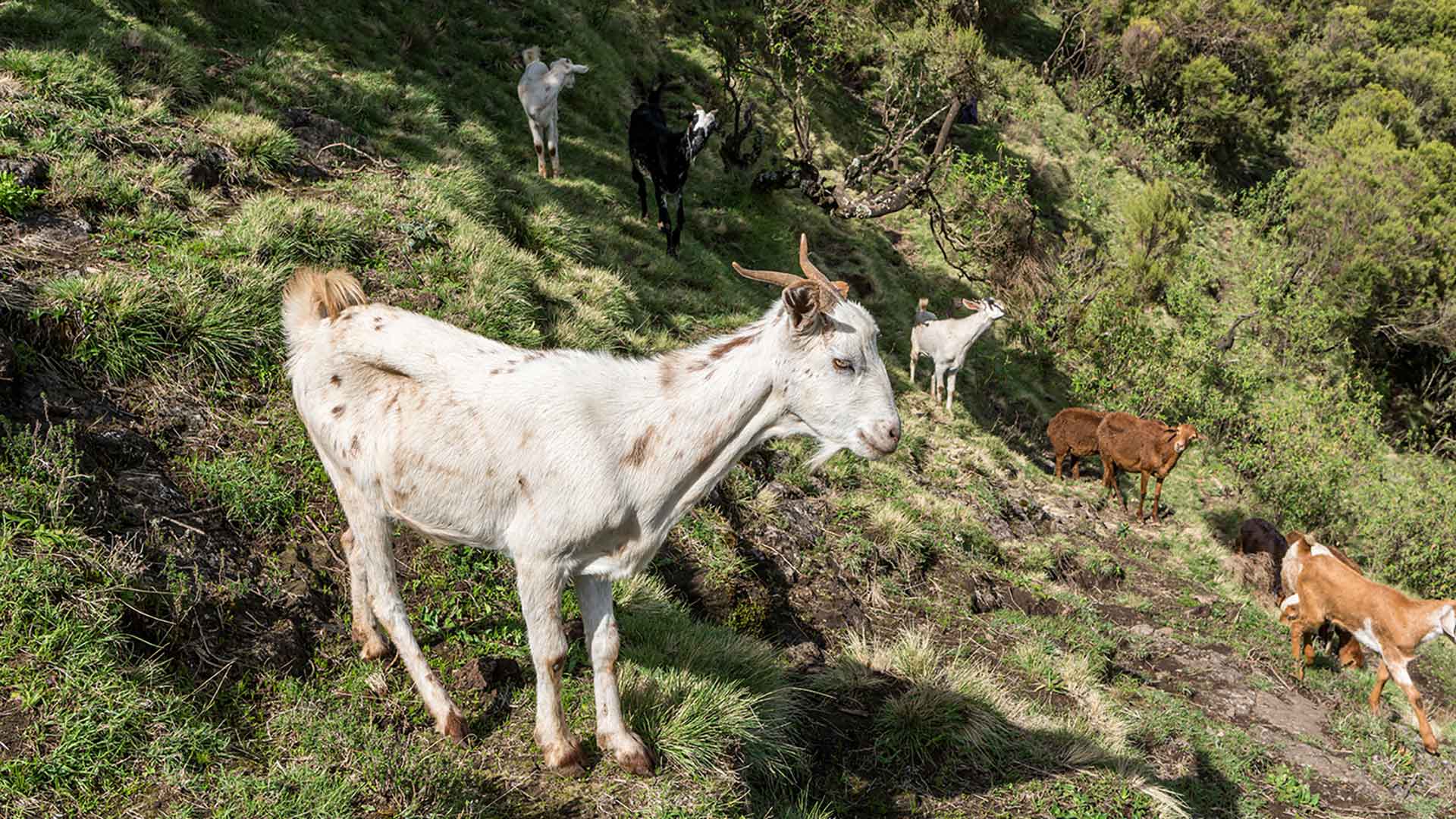
- Coffee Was Discovered Thanks to Goats. What do a bunch of energetic goats have to do with coffee? According to Ethiopian legend, quite a lot! A 9th-century goat herder noticed that his goats became extra lively after eating berries from a certain plant—so lively they couldn’t sleep at night. He shared the berries with local monks, who discovered they could make a drink that helped them stay awake for long evening prayers.
- How Many Languages? Think learning one new language is hard? Ethiopia is home to more than 80 languages and over 200 dialects! Amharic is the country’s national language, but many people also speak Oromo, Somali, Tigrinya, and other local languages. English is commonly taught in schools and used at universities, too. With so many languages spoken across the country, Ethiopia is one of Africa’s most linguistically diverse nations.
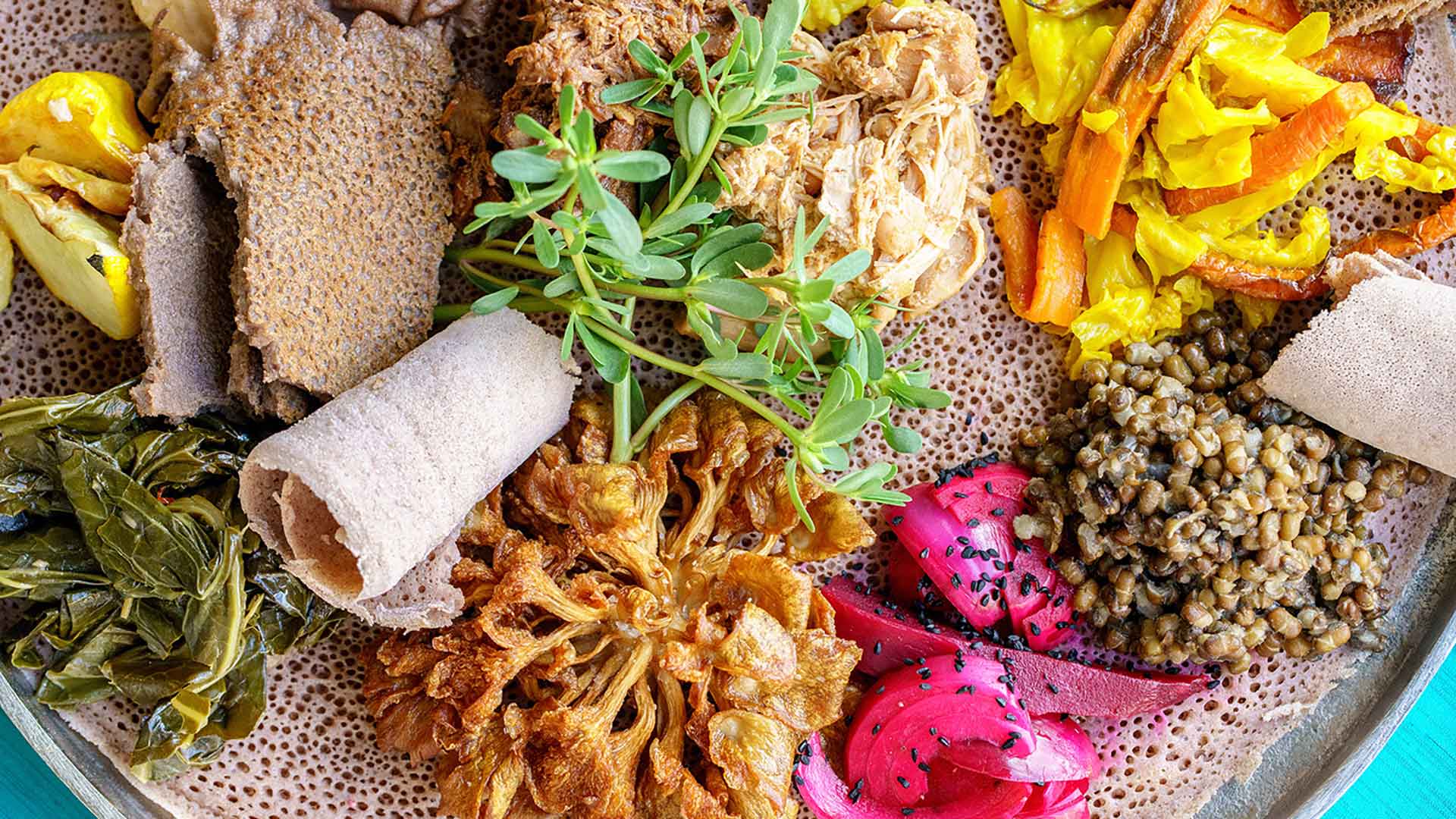
- Ethiopia Loves Vegetarian Food. If you’ve ever tried to hide your vegetables under a napkin, Ethiopia might be a tough place to visit! Many Ethiopians follow the Ethiopian Orthodox Christian tradition, which includes regular fasting days when animal products are not eaten. This has helped create a wide variety of delicious dishes made with vegetables, lentils, and beans. Many meals are served with injera, a soft, pancake-like bread that is a staple of Ethiopian cuisine. Thankfully, with all the spices and flavors, those vegetables are anything but boring.
- No Shoes, No Problem. In 1960, Abebe Bikila won Ethiopia’s first Olympic medal—and it was gold. He won the marathon, a grueling 26.2-mile race, in just over two hours. Oh, and he did it barefoot. Four years later, he came back and won the Olympic marathon again, becoming the first person ever to do so.
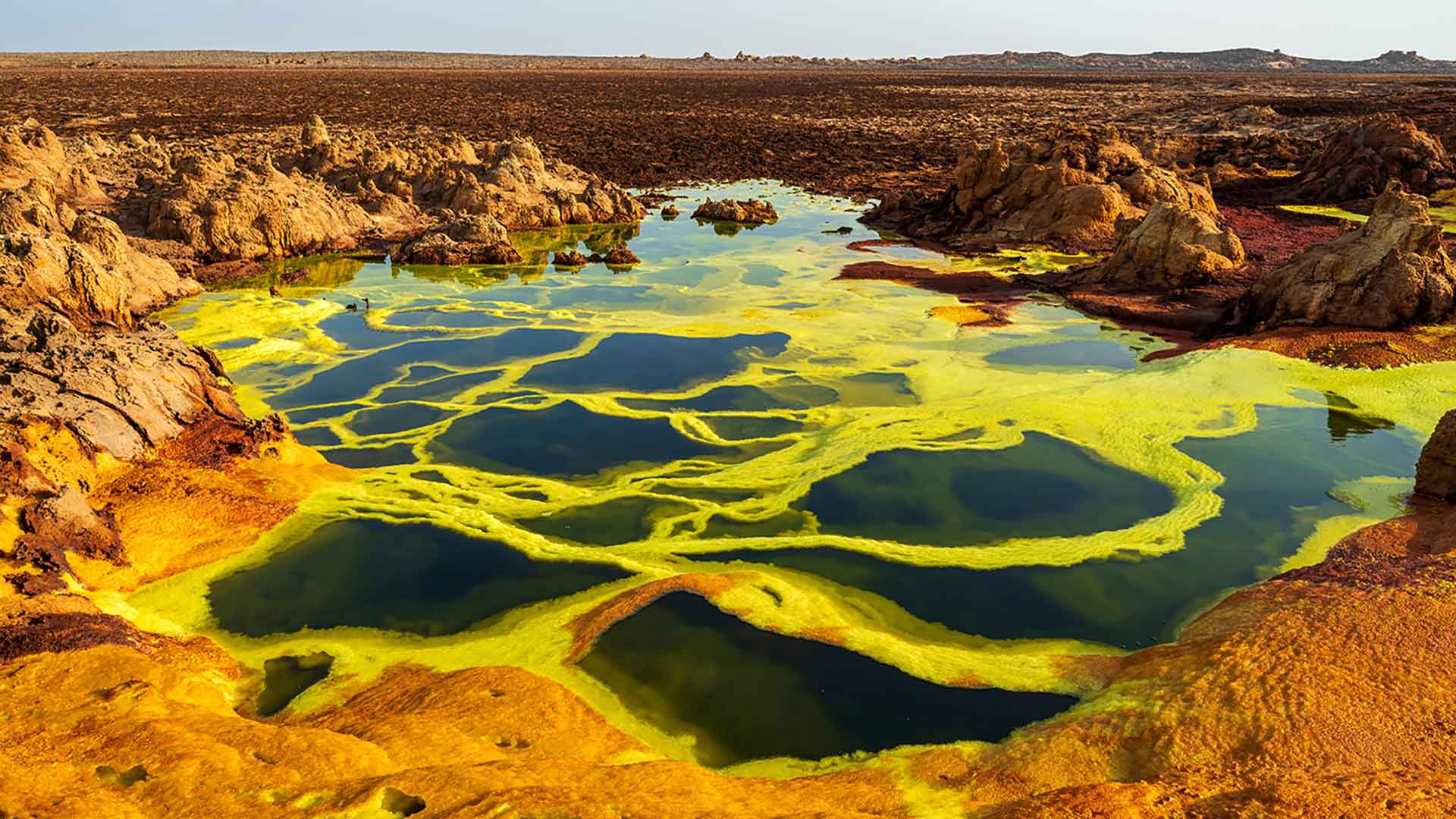
- Hottest Place on Earth Is Here. The next time you step outside on a hot summer day and complain that it’s too hot, just be glad you aren’t in Ethiopia’s Danakil Depression. This region is considered one of the hottest inhabited places on Earth, with average temperatures around 95⁰F and many days climbing above 100⁰. The Danakil Depression is also home to nearly 25% of Africa’s volcanoes. One of them, Erta Ale, contains one of the world’s longest-lasting lava lakes—a giant pool of melted rock that has been bubbling inside the volcano since at least 1906.
- Ethiopia Was Never Colonized. Most African countries were colonized by European powers, but Ethiopia remained independent. In 1935, Italy attempted to take control of Ethiopia and succeeded in establishing a six-year military occupation. Ethiopians resisted the occupation throughout, and Italy never brought the country under permanent control.
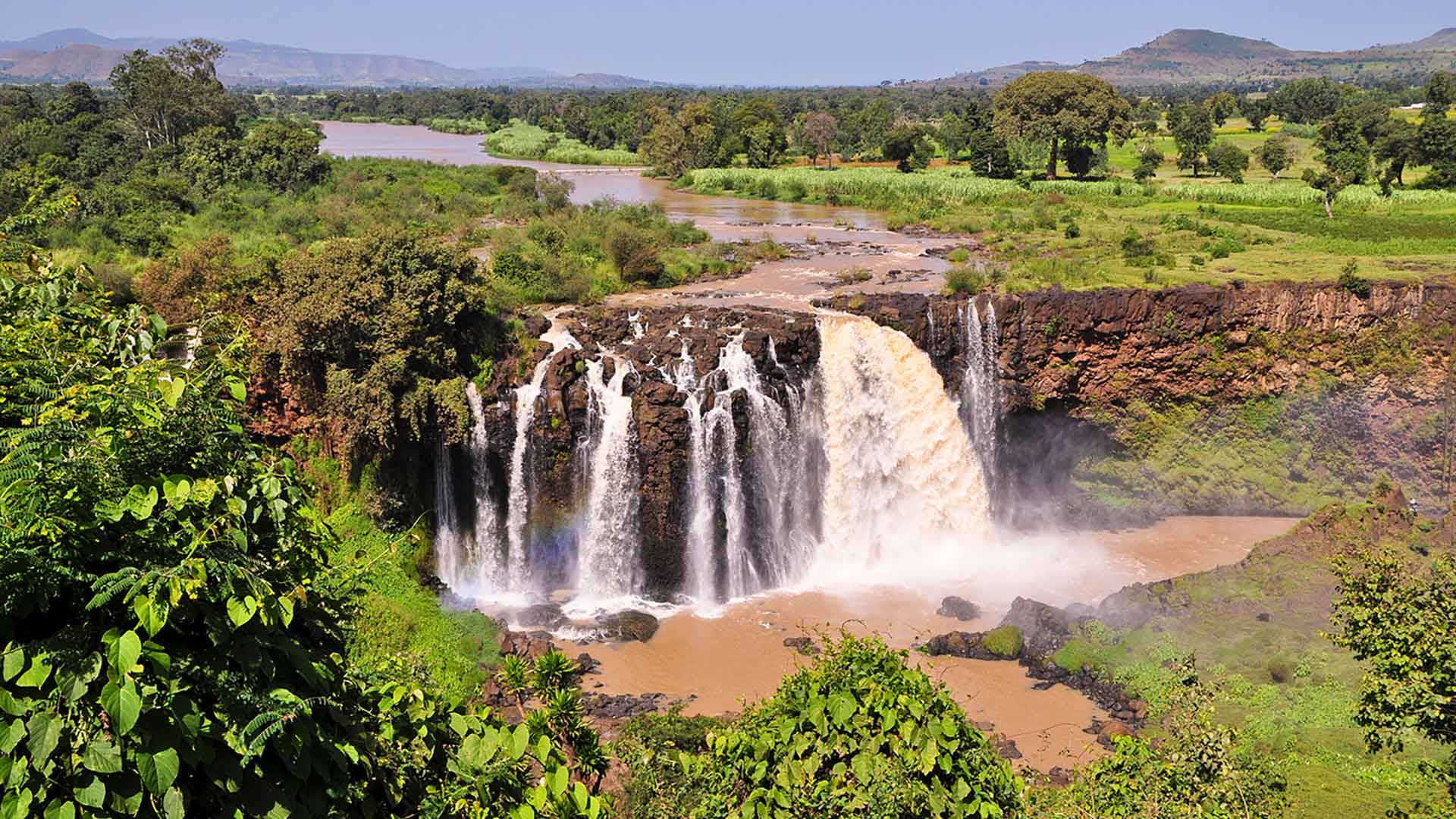
- Where the Nile Gets Its Water. The Nile is one of the world’s longest rivers, and Ethiopia plays a major role in keeping it flowing. The Blue Nile begins at Lake Tana in the Ethiopian Highlands and supplies about 80% of the water that reaches the Nile. The Blue Nile later joins the White Nile in Sudan to form the mighty Nile, which flows through northeastern Africa.
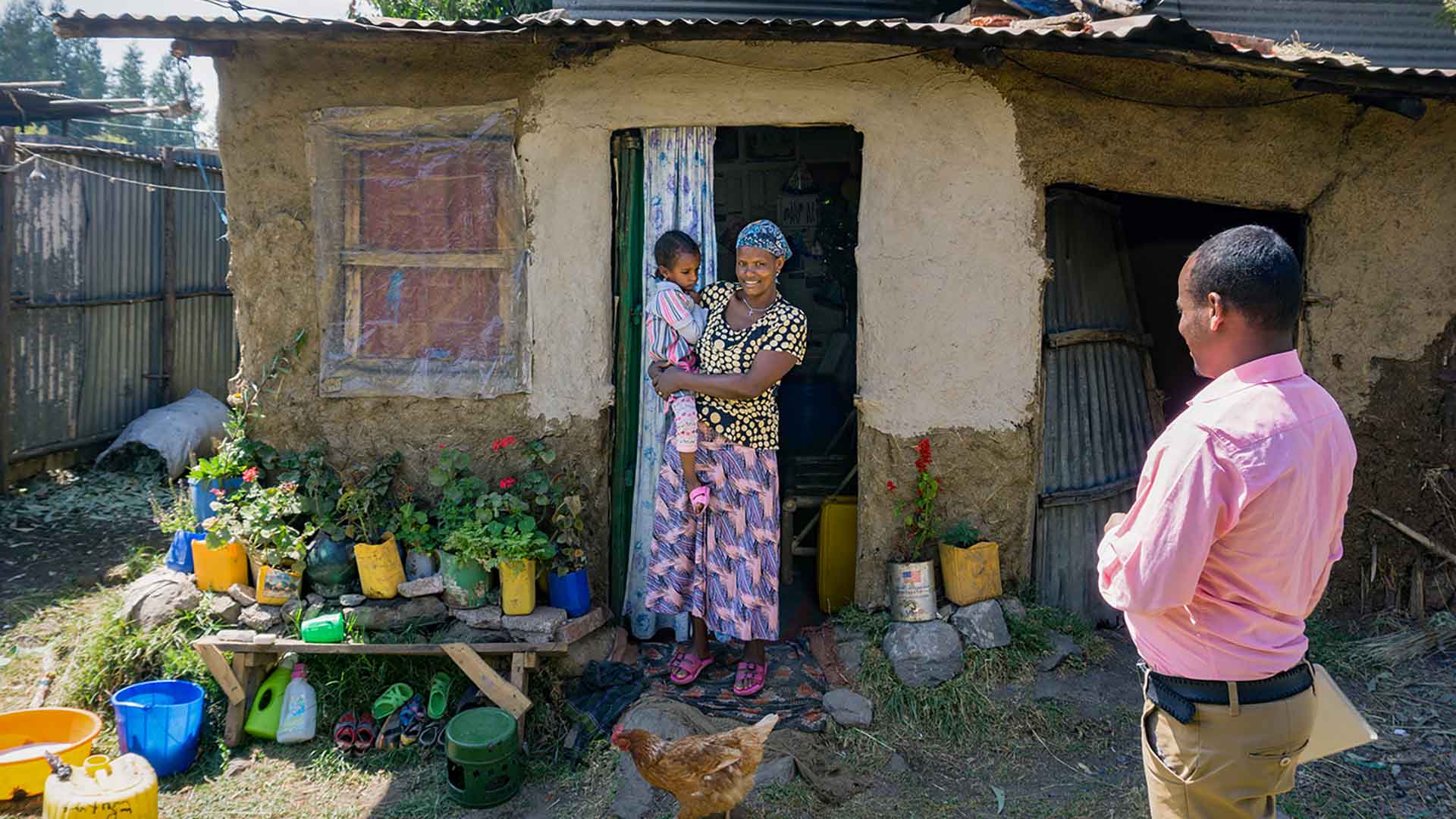
- The Church in Ethiopia Is Still Making a Difference Today. While Ethiopia is rich in history and culture, it is also home to many vulnerable children, including a large number of orphans. Since 2016, Children’s Hunger Fund (CHF) has partnered with local churches across Ethiopia, growing to a network of 23 church partners. Together, they care for children and families by sharing the hope of the gospel, providing practical help, and creating projects such as dairy farms, cafeterias, and vocational training programs that strengthen communities.