
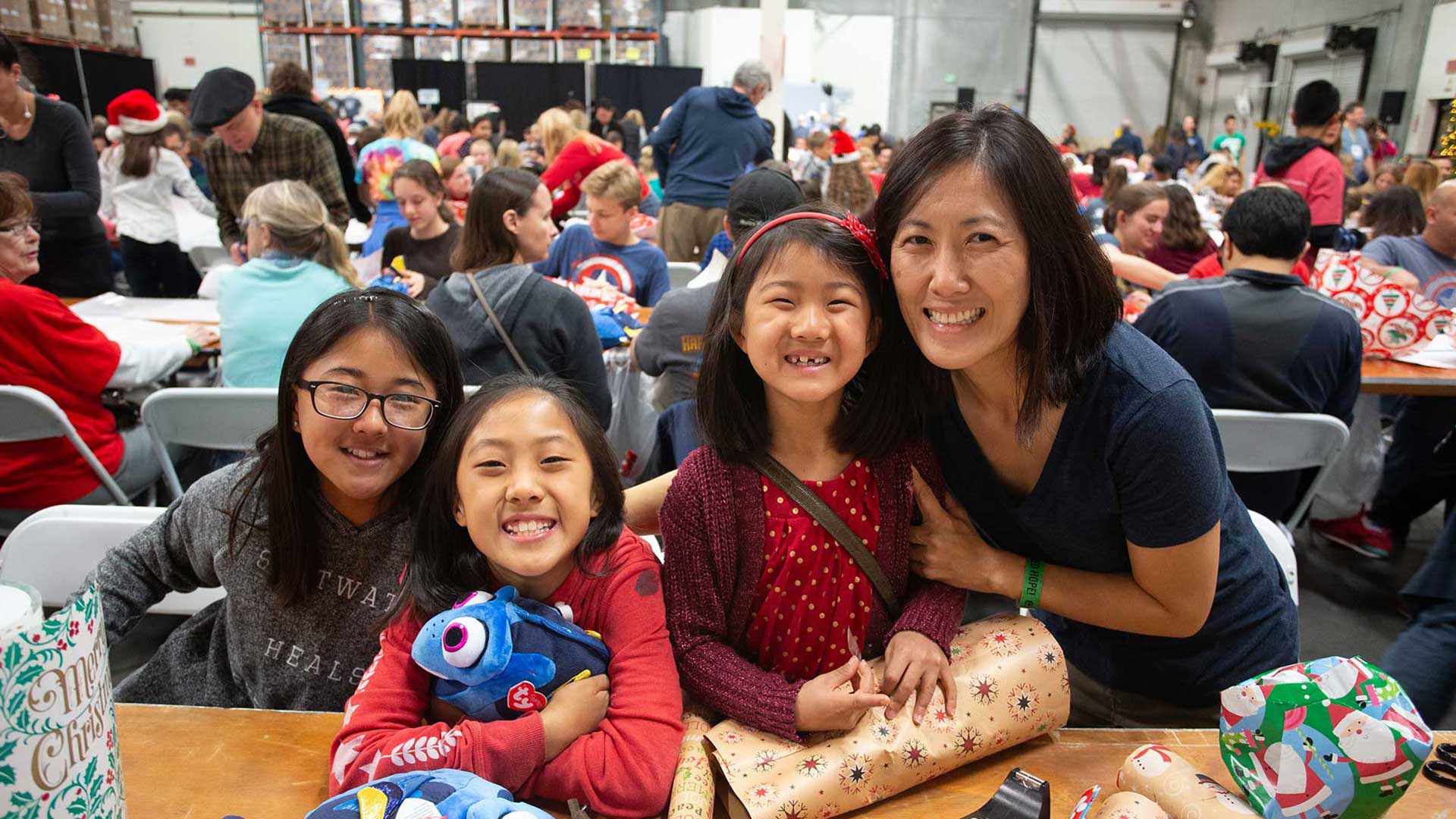
For 25 years, America’s Toy Wrap brought people together to serve in a simple yet meaningful way.
What began in 1992 as a small gathering grew into something much larger—mobilizing volunteers, equipping churches, and reaching children in communities across the US and beyond.
These are the moments, milestones, and numbers that tell the story.
-
Where It All Began
It didn’t start as a program. It started as a necessity.
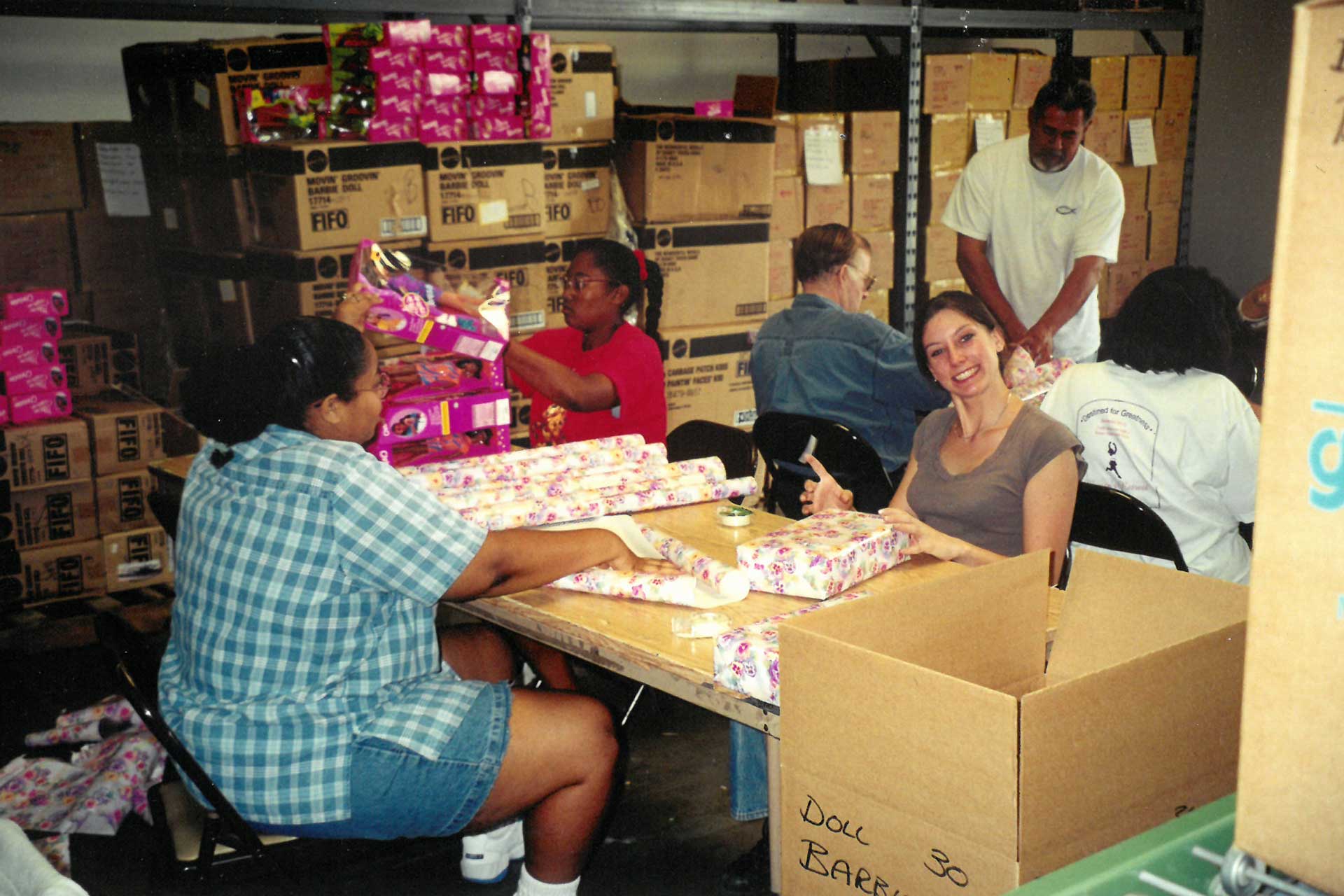
In 1992, Children’s Hunger Fund began receiving donated toys, but there was no system, no plan, and certainly no staffing capacity to handle them. As Co-founder Lynn Phillips recalled, the team quickly realized that what needed to be done simply couldn’t be accomplished alone.
So they invited help.
Friends. Family. Church members. People showed up because there was a need.
That first Toy Wrap was small by every measurable standard:
- One location
- One gathering
- Approximately 1,000 toys
But it marked the beginning of something much bigger.
What began as a logistical challenge quickly became something more. Even in those early days, it was clear this was about more than wrapping toys.
-
The Story Behind One Toy
Not every moment from Toy Wrap can be measured. Some are simply remembered.
In the early years, donations varied—different sizes, shapes, and types of toys, all gathered together. One donation stood out—a single train set.
There was some hesitation about how it would be distributed. It was larger than the rest, more prominent, harder to place fairly among so many other gifts. In the end, it was wrapped and sent along with the rest, with no special plan attached.
Later, a pastor reached out with a story.
A single mother in his community has been struggling financially. Months earlier, her son had asked for a train set. She gently told him it likely wouldn’t be possible. Still, he prayed—night after night—believing that somehow it might come true.
At the toy distribution at the church, that boy received the final remaining gift.
It was the train set.
When he opened it, he began to cry, “I knew it! I knew God would give me the train!”
For those who heard the story, it became something more. It was a glimpse—something as simple as a toy becoming part of a much bigger story.
Because while there had only been one train set, it had been exactly enough.
-
When It Happened
Toy Wrap began in 1992—though it didn’t yet have that name.
In those first years, it was known simply as Christmas in July—a practical label for what the team was trying to do: prepare for the Christmas season months in advance.
What began as a single gathering grew in both size and purpose, eventually becoming known as America’s Toy Wrap—a name that reflected not only what was happening but also how far it was reaching.
-
How Big It Became
The first Toy Wrap gathered around 1,000 toys.
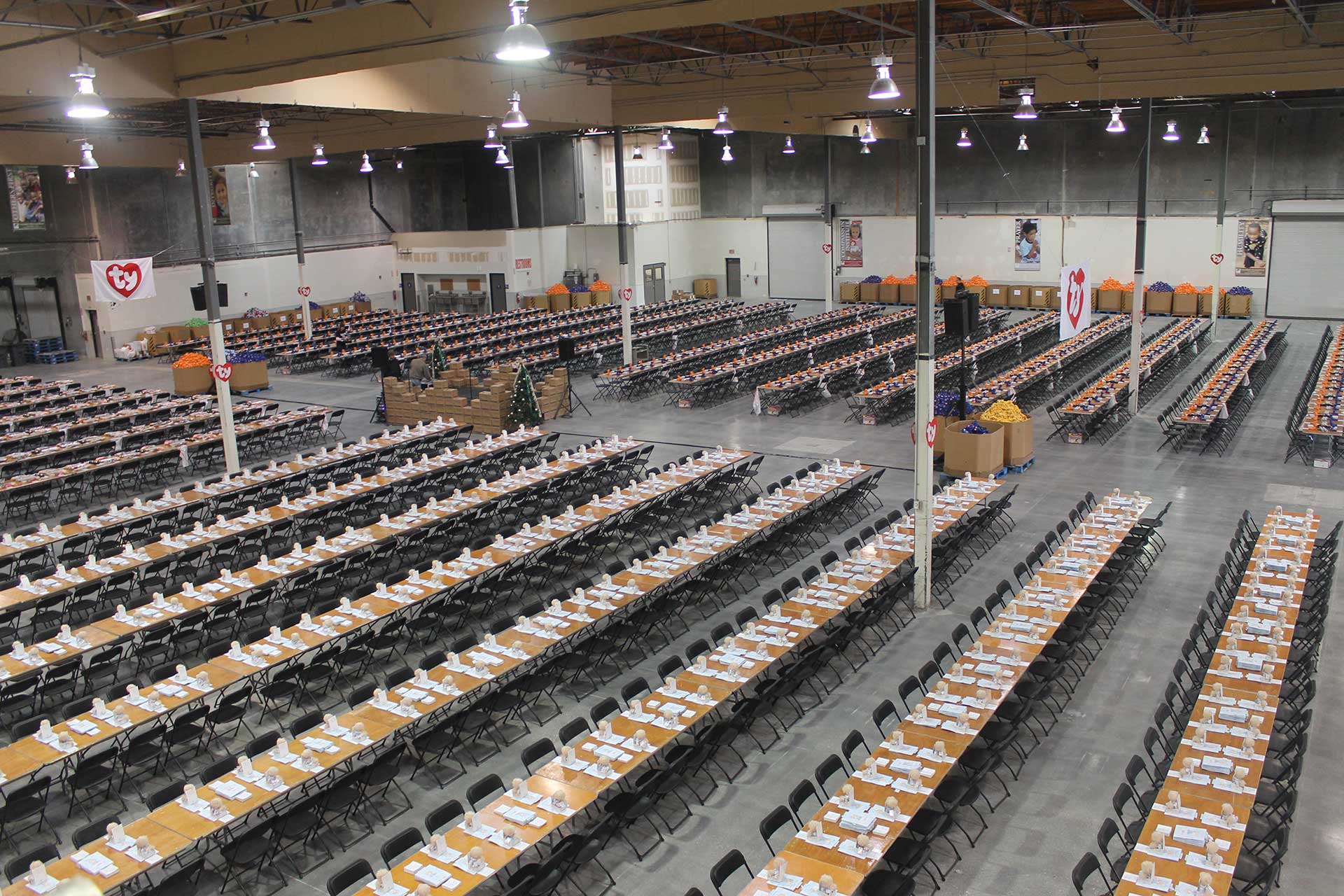
At its largest, a single Toy Wrap event brought together:
- 2,200 volunteers
- 110,000 toys
- All within one 65,000-square-foot warehouse
In one year, the total reached 225,000 toys.
Through key partnerships, millions more toys were distributed—including over 20 million toys from a single connection (Ty) and access to more than 18 million toys through a single donation (McDonald’s).
What began small grew into a highly coordinated effort.
-
The Toys Came from Everywhere
In the early years, Toys for Tots played a foundational role.
It provided a steady stream of donated toys, making it possible for Toy Wrap to happen at all in those first years.
By 1999, that included driving across the San Fernando Valley to visit different Disney stores to collect returned or slightly damaged items.
It was hands-on work, but it filled the gaps.
At times, provision came in unexpected ways.
A letter to McDonald’s led from 150 Happy Meal toys to pallets—and eventually to the opportunity to distribute products in the millions.
At a Toy Fair in New York in 2000, Founder Dave Phillips introduced himself not as a buyer but as “an asker.” That conversation led to a partnership that resulted in more than 20 million toys being received and distributed through CHF’s church partners.
-
Where the Toys Went
Toy Wrap expanded to multiple locations, including California, Texas, and Illinois.
Through local churches, toys reached:
- California
- Texas
- New York
- New Mexico
- Kentucky
- Tennessee
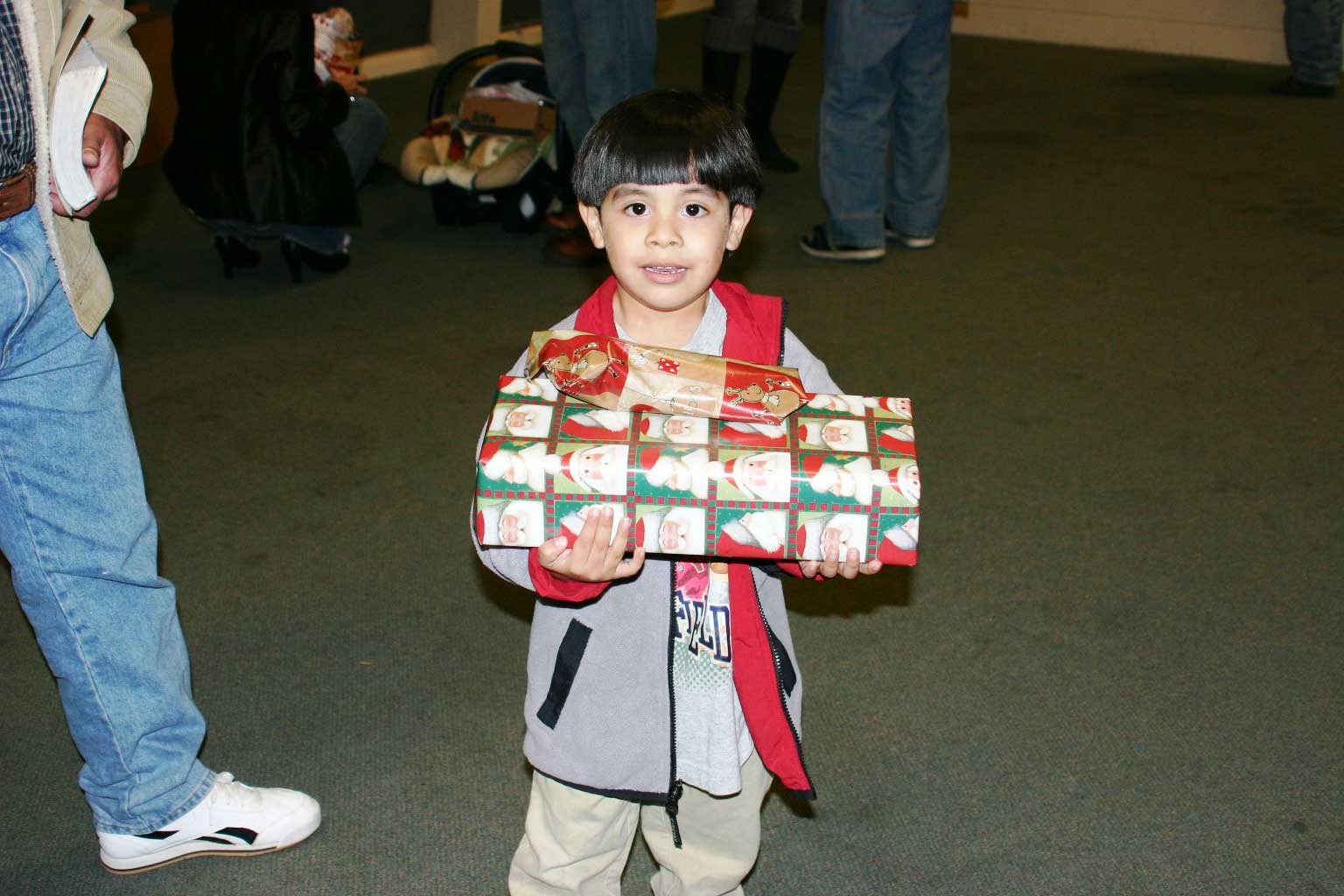 Unwrapped toys reached more than 50 countries.
 -
What Made Toy Wrap Different
Toy Wrap wasn’t just about giving out toys.
From the beginning, it was designed to work through local churches—not as a one-time distribution, but as a means of building ongoing relationships within the community and sharing the gospel.
The goal was never just to give a gift—it was to start something deeper.
Each toy went through a simple yet intentional process—donated, wrapped, and delivered through a local church that stayed in the community.
It was presence.
It created opportunities that extended beyond Toy Wrap.
Toy Wrap didn’t end with the gift—it created a starting point for relationships that could last long after.
-
What Lasted Beyond Toy Wrap
Toy Wrap ended in 2017.
But what it created didn’t stop there.
For 25 years, it brought people together—neighbors, families, churches, and volunteers—to serve in simple, meaningful ways.
As Lynn shared, the energy, excitement, and sense of community had only grown stronger. For many, it had become a tradition.
But even as the event itself came to a close, the purpose behind it endured.
It was about equipping churches, inviting people to serve, and creating opportunities to care for children and families.
And that continues.
Although Toy Wrap no longer takes place, the heart behind it still shapes how Children’s Hunger Fund engages volunteers today—by creating opportunities for people of all ages to serve, grow, and participate in what God is doing.
Toy Wrap ended, but the invitation to serve together remains.
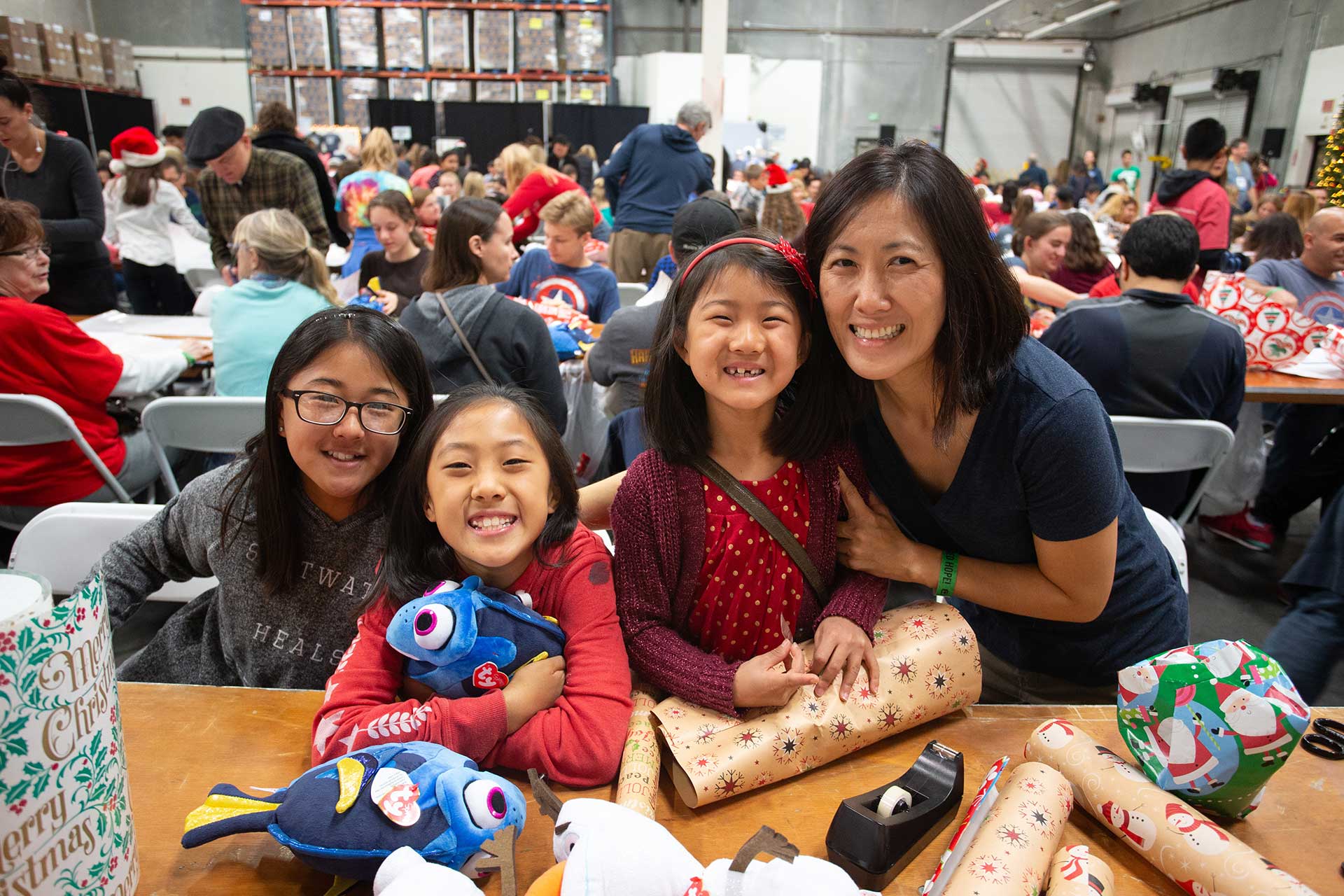
Want to see more photos of Toy Wrap?